
Introduction to Blockchain, Cryptocurrency & Bitcoin
By Research Team
1. What Is Blockchain? - A Decentralized Digital Ledger
Blockchain is a distributed digital ledger which is shared across many computers and where transactions are recorded securely and permanently.
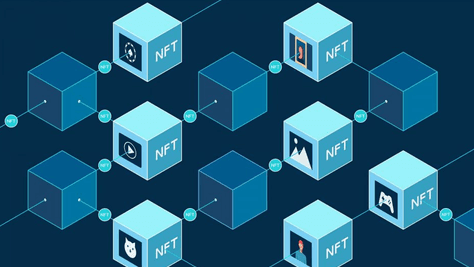
How it works?
- Transactions are grouped into blocks
- Each block links to the previous one
- Forms a continuous chain of records
- Changing one block breaks the chain
Core Features
1. Decentralization: No single authority controls it
2. Transparency: Transactions are publicly verifiable
3. Immutability: Records cannot be changed once confirmed
Evolution Beyond Bitcoin
In 2015, Ethereum expanded blockchain functionality by introducing:
· Smart contracts
· Programmable agreements
· Decentralized applications (DApps)
Blockchain evolved from digital money infrastructure → to programmable digital infrastructure.
Source: https://ethereum.org/whitepaper/
2. The Foundation Problem - Why Was Blockchain Created?
The Trust Problem
Before blockchain, digital systems relied heavily on centralized authorities such as:
· Banks
· Governments
· Payment processors
· Large technology platforms
However, this model created structural weaknesses.
Problems With Centralization
1. Single Point of Failure: If the central system fails, the entire network stops. It is vulnerable to cyberattacks and outages
2. Trust Dependency: Users must trust institutions to act honestly, but records can potentially be altered or manipulated
3. High Costs & Inefficiency: Intermediaries increase transaction fees and the cross-border payments are slow
4. Financial System Crisis (2008): Loss of public trust in banks and exposure of systemic risks
Source: https://rpc.cfainstitute.org/research/financial-analysts-journal/2010/slapped-by-the-invisible-hand
The Breakthrough Idea
In 2008, Satoshi Nakamoto proposed a peer-to-peer electronic cash system that:
· Does not require a central authority
· Uses cryptography to secure transactions
· Replaces institutional trust with mathematical verification
This led to the launch of Bitcoin in 2009.
Source: https://bitcoin.org/bitcoin.pdf
3. What Is Cryptocurrency? - Digital Assets Secured by Cryptography
Cryptocurrency is a digital or virtual currency that uses encryption to secure transactions and operates on blockchain networks.
Key Differences from Traditional Money:
- Not issued by a central bank
- Peer-to-peer transactions without intermediaries
- Transactions are verified by a network of participants
Primary Uses:
- Medium of exchange (like money)
- Store of value (like gold)
- Utility within blockchain ecosystems (e.g., paying fees, voting, staking)
Popular Examples:
- Bitcoin (BTC)
- Ethereum (ETH)
- Ripple (XRP)
- Solana (SOL)
Source: https://www.raisin.com/en-gb/fintech/what-is-cryptocurrency/
4. What Is Bitcoin? - The First Successful Cryptocurrency
Overview:
- Introduced in 2008 by Satoshi Nakamoto, launched in 2009
- First digital currency to successfully solve the double-spending problem without a central authority
Design Goals:
- Enable peer-to-peer electronic cash
- Remove reliance on banks and intermediaries
- Maintain security and trust through consensus mechanisms
Key Features:
- Fixed supply of 21 million coins (As of Dec 17, 2025, 19.96 million BTC have been mined)
- Public and transparent blockchain ledger
- Security through Proof-of-Work (PoW) consensus
What Is Bitcoin Halving?
Bitcoin Halving is a programmed event that happens about every four years in the Bitcoin network.
During a halving, the reward that miners receive for creating new blocks is reduced by 50%. This slows down the creation of new Bitcoin.
Why Bitcoin Halving Exists
- Controls inflation
- Makes Bitcoin scarcer over time
- Helps maintain Bitcoin’s long-term value
First Bitcoin Transaction
- Satoshi sent 10 Bitcoins to Hal Finney on 12 January 2009 to prove Bitcoin worked.
- It proved that Bitcoin’s peer-to-peer system worked - allowing digital money to be sent securely without a bank.
First Real-World Bitcoin Purchase : Laszlo Hanyecz Buys Pizza (2010)
On May 22, 2010, a programmer named Laszlo Hanyecz made the first real-world commercial transaction using Bitcoin.
- He paid 10,000 BTC
- In exchange for two pizzas
- From a Papa John’s store
- The deal was arranged on the BitcoinTalk forum.
At the time, 10,000 BTC was worth about $41 USD.
Source:
Bitcoin: A Peer-to-Peer Electronic Cash System
https://www.investopedia.com/tech/what-happens-bitcoin-after-21-million-mined/
https://www.guinnessworldrecords.com/world-records/696240-first-commercial-bitcoin-transaction
https://www.guinnessworldrecords.com/world-records/696243-first-bitcoin-transaction
https://www.investopedia.com/bitcoin-halving-4843769
5. Why It Matters Today - Blockchain Beyond Bitcoin
Blockchain technology extends far beyond cryptocurrency. It allows trust without intermediaries, enabling many modern applications:
Applications Include:
- Decentralized Finance (DeFi): Borrowing, lending, and trading without banks
- Digital Art (NFTs): Verifiable ownership of digital assets. Exp: OpenSea popularized NFT trading. Source:
https://medium.com/@jackjill7659/opensea-nft-marketplace-trends-2025-2ae7f1a73f6c
- Supply Chain Tracking: Transparent tracking from production to delivery. Exp: IBM develop blockchain-based tracking systems. Source: https://www.food-safety.com/articles/5970-ibm-launches-blockchain-food-traceability-platform
- Digital Identity: Secure, verifiable personal identification
Key Takeaways:
- People can interact directly, without banks or big corporations
- Agreements can be automated through smart contracts
- Transactions are transparent, secure, and tamper-resistant
Source: https://www.investopedia.com/terms/b/blockchain.asp